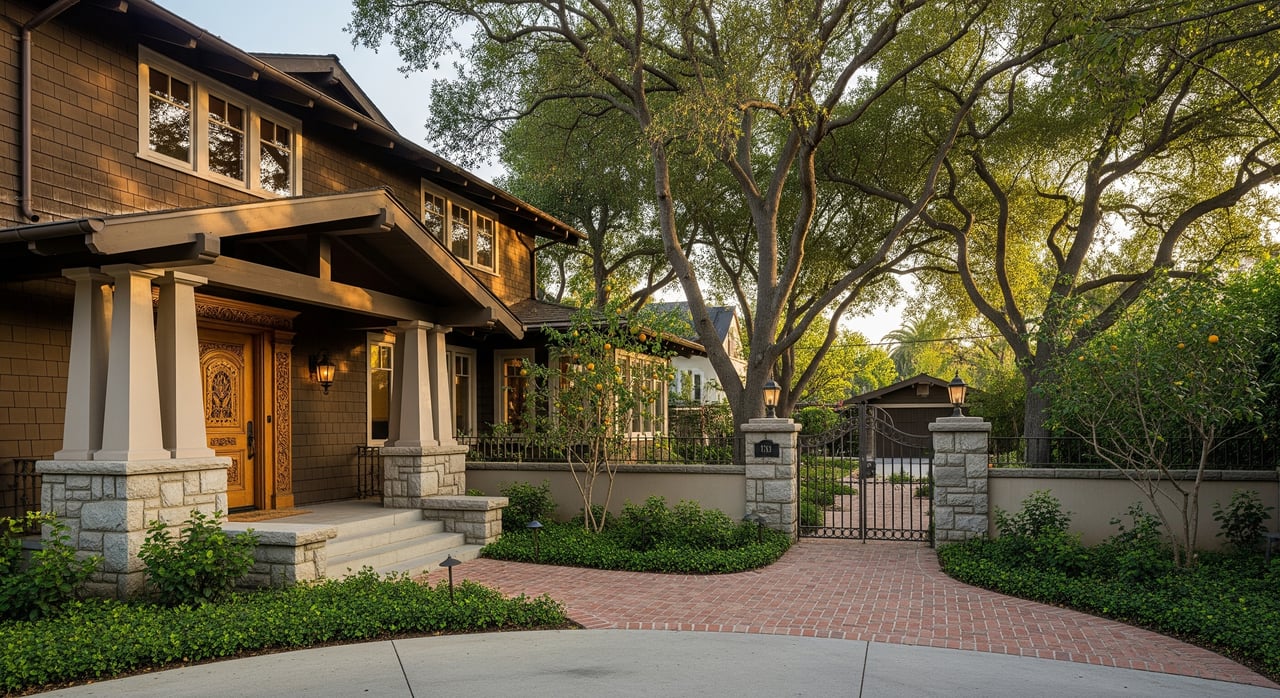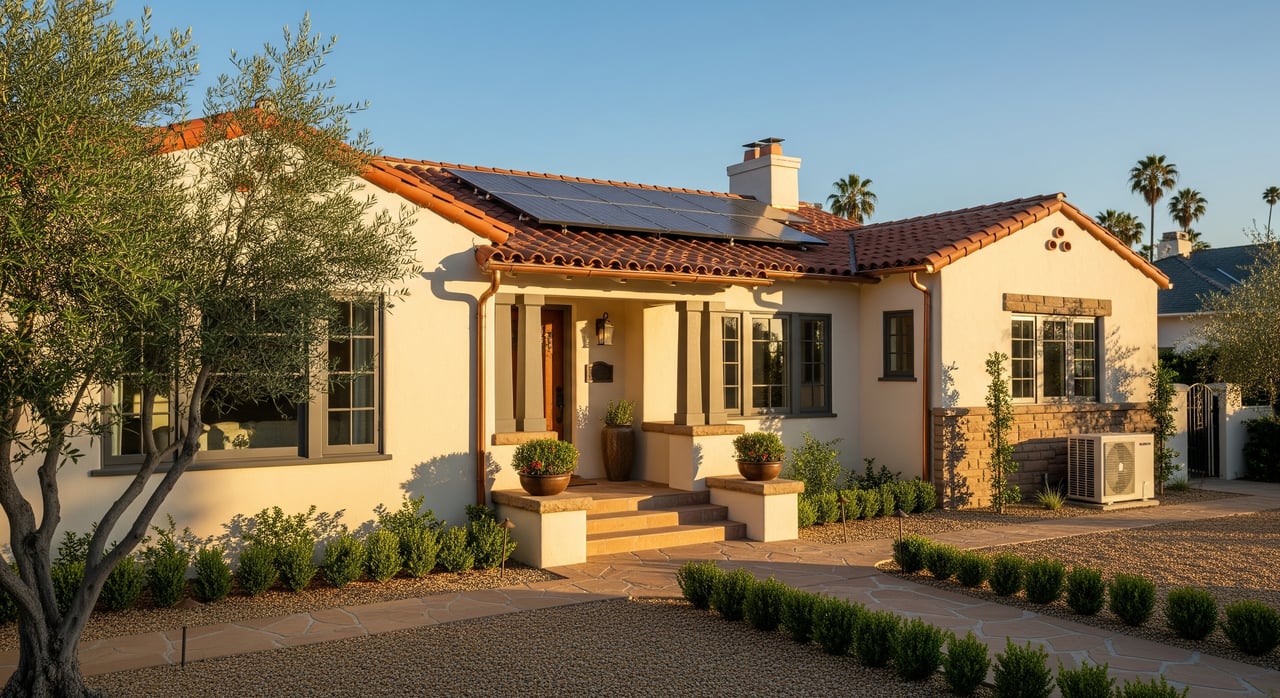
Summer heat, attic hot spots, and older single-pane windows can make a beautiful Pasadena home feel less than comfortable. If you own a historic property, you likely want better cooling and lower bills without losing the charm that makes your home special. In this guide, you’ll learn practical, preservation-friendly upgrades, how to navigate city approvals, and which incentives can help with costs. Let’s dive in.
Start with status and approvals
Pasadena has many landmark districts and designated properties, and exterior work is often reviewed. Before you order windows or HVAC equipment, confirm whether your home is designated or in a district and what permits you need. The City’s Design & Historic Preservation staff can explain review triggers and the Certificate of Appropriateness process, and they offer early technical help.
- Check designation status and the review process through the City’s Design & Historic Preservation page: City of Pasadena Planning.
- Expect review for visible exterior changes like window replacements, porch work, additions, and roof-mounted equipment.
- For qualified historic buildings, the California Historical Building Code can provide flexible, performance-based options that preserve historic fabric: CHBC overview.
Plan in the right order
Set yourself up for a smooth project and maximum incentives by following a clear sequence.
- Confirm designation and permits. Contact City Planning early, especially if work is street-visible.
- Get an energy and conditions assessment. A blower-door test, attic and duct review, and electrical-panel check help target upgrades and may be required for some rebates. See California’s program guidance: IRA rebate programs.
- Verify and reserve incentives before you buy. Many programs require pre-approval or specific contractors.
- Design for preservation. Keep new equipment out of primary view and protect character-defining features.
- Pull permits and schedule inspections. Many rebates require inspection sign-offs.
Links and programs current as of October 2025. Always verify details on the program pages before purchasing.
High-impact, low-visibility upgrades
You can improve comfort and efficiency without altering your home’s character.
Attic air sealing and insulation
In our warm, dry summers, controlling attic heat is a top priority. Sealing air leaks, improving duct sealing, and adding attic insulation reduce cooling loads and improve comfort with minimal visual impact. The National Park Service recommends attic measures that avoid damage to historic materials. See the NPS guidance on energy efficiency in historic buildings: NPS Preservation Brief 3.
Windows and storm solutions
Repairing original windows and adding interior or exterior storm windows often outperforms full replacement for cost and preservation value. Properly fitted storms improve comfort and noise control while keeping original sash and trim. The NPS guidance above outlines best practices for windows and doors.
Shading and site design
Awnings sized to historic proportions, porch trellises, and well-placed trees can cut solar gain and glare. Choose reversible solutions and confirm any district rules for landscape changes if applicable.
Balanced ventilation
As you tighten the building, add controlled ventilation to maintain healthy indoor air. Coordinate air sealing with right-sized ventilation to avoid moisture issues. The NPS encourages balancing weatherization with indoor air quality.
HVAC that fits Pasadena’s climate
Our area has significant cooling needs and light winter loads, so efficient electric systems shine.
Heat pumps and mini-splits
Modern heat pumps provide efficient cooling and comfortable heating in one system. Mini-splits can avoid large new ducts and are easy to zone by room. Place outdoor condensers out of primary street view and conceal lines thoughtfully to protect the facade. Pasadena Water and Power offers a heat pump rebate for qualifying equipment. Review current criteria and application steps: PWP heat pump rebates.
Heat pump water heaters
Heat pump water heaters are highly efficient and often rebate-eligible. Plan for condensate drainage, ventilation, and noise, and avoid altering visible historic features. Check PWP rules and required permits: PWP heat pump water heater rebates.
Solar, batteries, and electrical capacity
Thoughtful siting and the right incentives can make renewables work on historic homes.
Solar PV siting
When visible from the street, panels often need design review. To protect character, place panels on secondary roof slopes or non-primary elevations with low-profile mounting. This approach aligns with preservation best practices discussed in NPS guidance.
Battery storage and resilience
Battery systems can increase comfort and resilience during outages, and California’s Self-Generation Incentive Program offers significant incentives, especially for equity and resiliency customers. See the latest program updates from the CPUC: SGIP equity and resiliency expansion.
Electrical panels and EV readiness
Electrification may require a panel upgrade and new circuits. Plan conduit routes to minimize visibility and protect historic finishes. Permit sign-offs are typically required for rebates and inspections.
Incentives and tax programs to know
Stacking the right incentives can meaningfully offset project costs.
- Pasadena Water and Power rebates. PWP offers rebates for qualifying heat pump HVAC, heat pump water heaters, and other upgrades. Most require permits, an inspection sign-off, and timely submission. Start here: PWP heat pump rebates.
- Federal Residential Clean Energy Credit. A 30 percent tax credit may apply to qualified clean energy systems like rooftop solar and batteries. Review eligibility and filing instructions: IRS Residential Clean Energy Credit.
- California IRA-funded rebates. The state is rolling out HEEHRA and HOMES rebates for electrification and whole-home efficiency. Availability varies by phase and may require contractor participation and reservations. Check current status: CEC IRA rebate programs.
- Mills Act property tax savings. If your property is eligible and you enter a Mills Act contract, you may see substantial property tax reductions tied to preservation commitments. Learn about Pasadena’s program and application cycles: Pasadena Mills Act.
- Financing caution. Property tax–secured financing exists in California. Review all costs, disclosures, and sale implications carefully before you commit. Compare conventional loans, equity options, and available rebates first.
Work with preservation-aware pros
The right team helps you avoid rework and delays.
- City of Pasadena Planning. Contact staff early to confirm review triggers and streamline approvals: Design & Historic Preservation.
- Preservation specialists. Consider a preservation-aware architect or consultant to align visible work with the Secretary of the Interior’s Standards. For referrals, see Pasadena Heritage’s referral list.
- Rebate-savvy contractors. Some California rebates require specific contractor certifications and pre-approval. Confirm requirements before you sign a contract.
A simple upgrade roadmap
Use this example sequence to guide your project while protecting historic character.
- Confirm your home’s designation and likely permit path with City staff.
- Get an energy assessment and prioritize attic air sealing, insulation, and duct fixes.
- Design heat pump HVAC with discreet equipment placement and right-sized capacity.
- Add a heat pump water heater, then plan panel and wiring needs.
- Evaluate solar on secondary roof planes and consider a battery if it pencils with incentives.
- Finish with storm windows, shading, and balanced ventilation for year-round comfort.
Upgrading a historic Pasadena home does not have to mean compromising charm. With the right plan, you can boost comfort, cut energy use, and maintain the details that make your home unique. If you are preparing to sell or want to invest wisely before you list, our team can help you prioritize market-smart improvements and connect you with trusted local resources. Reach out to Sarah Rogers Estates to start a thoughtful, results-driven plan for your historic property.
FAQs
What approvals do I need for upgrades on a Pasadena historic home?
- If your property is designated or in a landmark district, visible exterior work often requires a Certificate of Appropriateness. Start with City Planning to confirm review steps: Design & Historic Preservation.
Are heat pumps allowed on historic homes in Pasadena?
- Yes, but placement matters. Design systems so outdoor units are out of primary street view and conduit is discreet. Check PWP rebates and permit requirements: PWP heat pump rebates.
How can I improve window efficiency without replacement on a historic house?
- Repair existing windows and add interior or exterior storm windows sized and finished to match. See NPS guidance for best practices: Preservation Brief 3.
What incentives help pay for solar and batteries at a Pasadena home?
- Review the federal 30 percent credit for eligible systems and California’s SGIP battery incentives. Start with the IRS credit overview and CPUC program updates: IRS Clean Energy Credit, CPUC SGIP update.
Can the California Historical Building Code help with my project?
- If your property qualifies as historic, the CHBC can offer flexible compliance options for safety and accessibility while preserving historic materials. Learn more: CHBC overview.